得物额度取现多久能到账?取消疑问
The core tension surrounding “Gotohan” – the Japanese phrase signifying effortless success, often translated as simply “doing things right” – lies not in a quantifiable metric of achievement, but within the deeply ingrained mindset that drives it. It’s less about measurable output and more about cultivated habits, honed intuition, and a profound respect for process. The “how” is fundamentally prioritized over the “what,” shaping everything from product development to interpersonal interactions. Understanding this shift in perspective unlocks the key to grasping the complexities of Gotohan's operational framework – specifically its inherent temporal ambiguity.

Traditionally, Western business models rely heavily on linear projections: set goals, devise strategies, execute plans, and measure results. This creates a clear expectation of when success will be realized and offers benchmarks for evaluation. However, Gotohan operates outside this paradigm. The “when” is less important than the ongoing process itself. It’s predicated on a feedback loop – constant iteration and adjustment based on subtle cues, tacit knowledge, and an almost instinctive understanding of what works. Predicting the exact timeline of a Gotohan endeavor is inherently flawed because it’s not built on prediction; it's built on adaptive action. The "delivery date," if you can even apply such a concept, isn’t dictated by scheduling but by achieving optimal resonance with a given situation – a resonance that can manifest instantaneously or require weeks of patient cultivation. Therefore, the question “how long until?” shifts entirely to evaluating the quality and integrity of the process *at every stage*, rather than fixating on a definitive endpoint.
This temporal ambiguity has significant ramifications for understanding the perceived delay in realizing "Gotohan." The expectation that Gotohan should arrive with immediate efficiency is often misconstrued. The reality is that Gotohan – particularly at scale – often involves a period of intense, almost invisible, work behind the scenes. This isn't necessarily a failure to deliver; it’s simply the engine of continuous refinement operating beneath the surface. The apparent “delay” stems from our Western tendency to expect instant gratification and a rigid adherence to timelines. We’re accustomed to seeing demonstrable progress immediately correlated with effort. Gotohan, conversely, embraces a more fluid relationship between action and outcome, where visible results are often the *result* of unseen processes. It's akin to observing water flowing: you don’t measure its speed by the volume moving through a pipe at one moment; you assess it over time, considering factors like sediment buildup, flow rate changes – all those intangible elements influencing the delivery.
Furthermore, "cancel" isn’t a term that truly applies to Gotohan. The concept of linear termination is antithetical to its core principles. Rather than “canceling” an effort, one would adapt and recalibrate. A misalignment recognized within the process isn't a failure; it's data – valuable information informing the next iteration. The system itself actively seeks solutions that improve alignment, constantly adjusting parameters and refining approaches based on accumulated experience. To "cancel" would be to disrupt this crucial feedback loop, essentially halting progress rather than optimizing it. The potential for perceived “cancellation” arises from applying a rigid, outcome-focused mentality to a process fundamentally driven by responsiveness and adaptability. It’s the difference between viewing a river as something to control – and choosing instead to work with its natural flow. Therefore, Gotohan's evolution isn’t about achieving a final product; it’s about continuous optimization – a journey defined not by arrival but by persistent, insightful progression.
相关文章
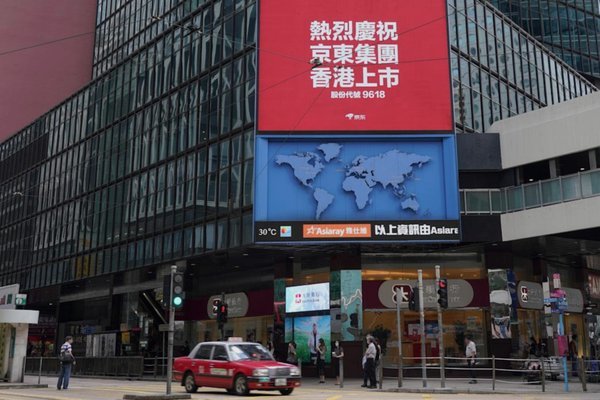
京东白条:商家资金优化新路径
近年来,随着金融科技的快速发展和消费者支付习惯的变化,京东白条作为一种信用支付工具,在电商领域迅速崛起。商家如何高效利用京东白条实现资金流动优化,成为了一项重要的课题。 对于京东平台上的商家而言,合...
鹿优选额度变现关键在于几点
鹿优选的额度变现,并非简单的“卖额度”,而是一个复杂的多维度策略。它本质上是对用户长期价值的积累和转化,关键在于理解用户对额度的需求形态以及如何通过额度利用撬动更高价值的消费。早期,鹿优选的额度模式主...
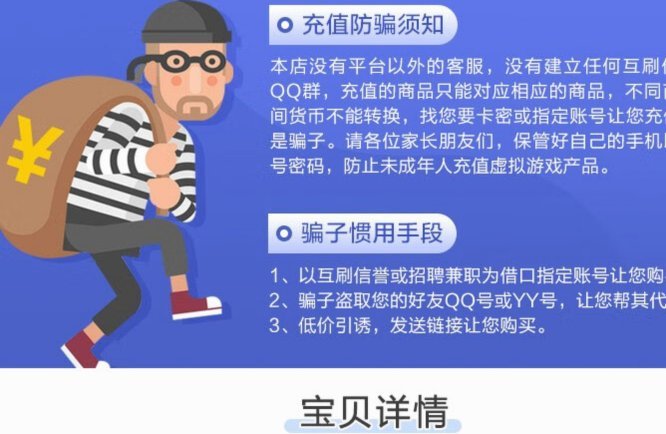
白条秒到账商家申请全流程
在电商和零售领域,"白条秒到账"作为一种新兴的信用支付方式,正在逐渐成为商家提升竞争力的重要工具。这种模式不仅为消费者提供了灵活的支付选择,也为商家带来了更快的资金周转机会。然而,对于想要申请开通白条...
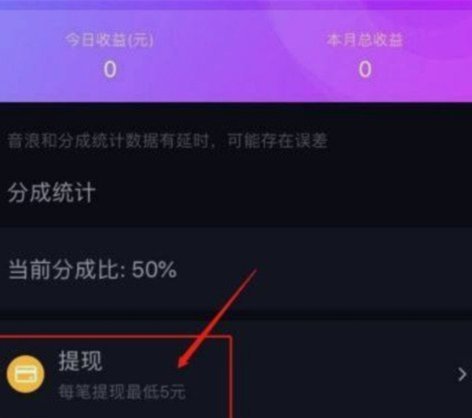
抖音商家提现:不止是提现周期
深度拆解抖音商家提现机制,不能仅仅停留在“提现周期”的描述,核心认知必须升维到“资金流转的生态位管理”。商家真正需要理解的,是抖音生态系统如何通过支付结算环节,构建一套高度复杂的、兼顾平台营收、商家生...
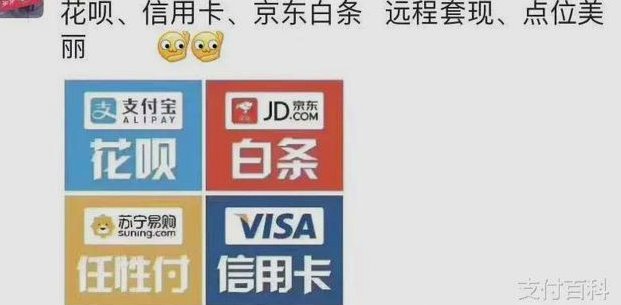
花呗套现风险警示:合法使用指南
近年来,随着网络消费的普及和电商行业的快速发展,“天猫”作为一个知名的电商平台,为消费者提供了丰富的商品选择和便捷的服务。而“花呗”,则是阿里巴巴推出的一种信用支付工具,允许用户在购物时分期付款,享受...

荔枝卡提现指南
关于“荔枝卡包消费额度怎么提现”的问题,首先要明确的是,荔枝卡包通常是一种预付型电子充值卡,主要用于支付各类服务费用。因此,要将卡包内的消费额度转化为实际资金,通常需要遵循以下步骤: 首先,您可以...